
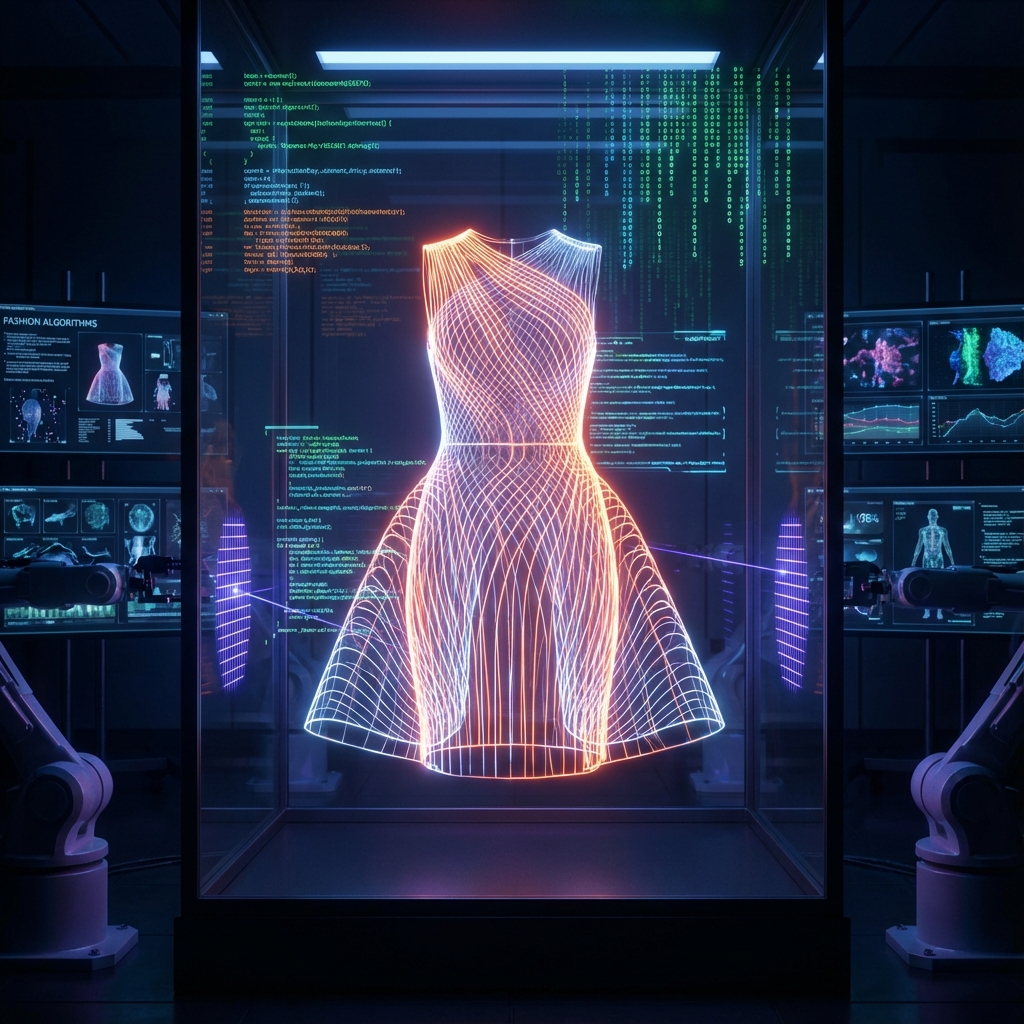
Have you ever pasted a link into a tool and waited... and waited? Traditional web scrapers are slow because they act like humans: they open a browser, load fonts, images, ads and tracking scripts just to find one simple image. We built something different.
The "Zero-Cost" Challenge
When building TryItOn, we faced a massive technical hurdle. We needed to let users try on items from any online store, Nike, Zara, Amazon or a small boutique, but we couldn't afford to run a full web browser for every single request. It’s too slow (5-10 seconds) and too expensive.
We needed a way to extracting high-quality product images instantly (under 500ms) with near-zero distinct server costs. The answer was an intelligent "Waterfall" pipeline.
🚀 The Speed Difference
- Traditional Selenium/Puppeteer: 5.0 - 12.0 seconds
- TryItOn Intelligent Extraction: 0.2 - 0.5 seconds
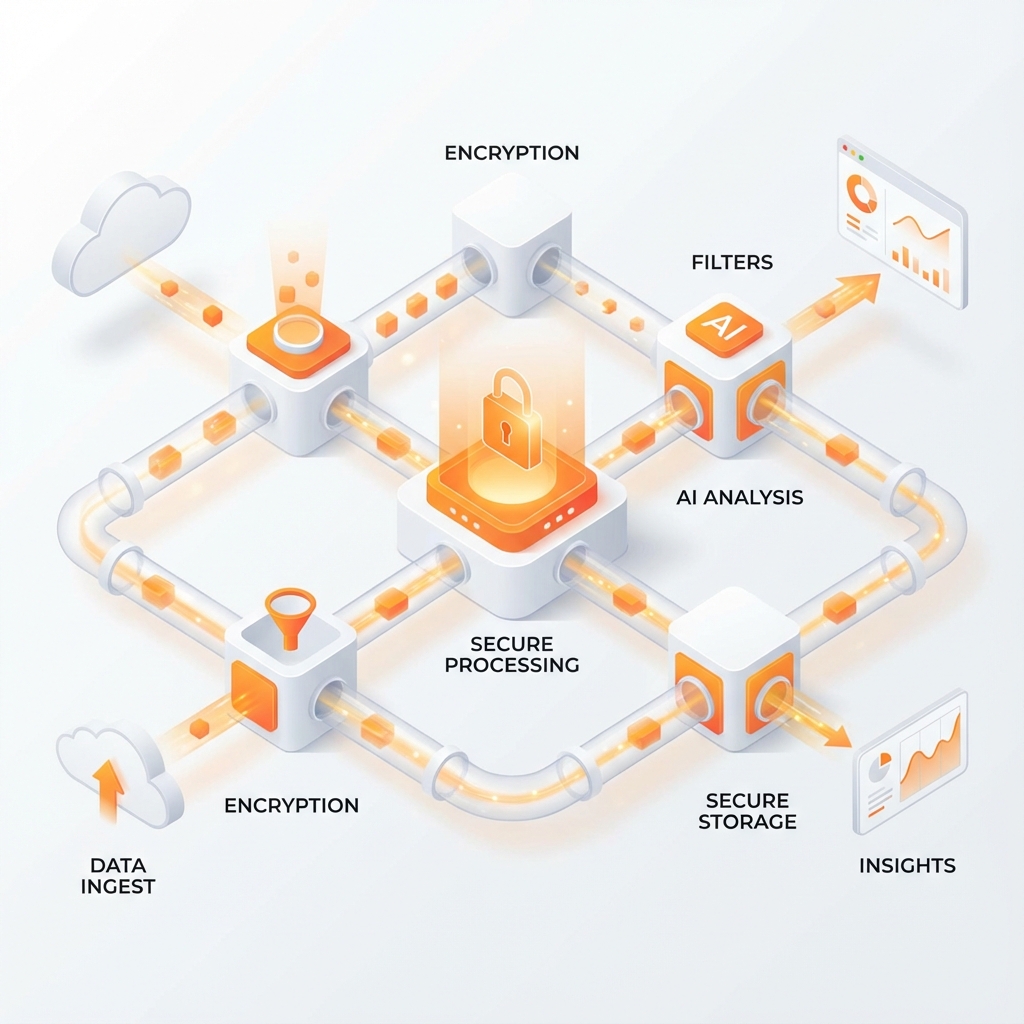
Visualizing the Pipeline
Instead of rendering the page, we fetch only the raw HTML code, the DNA of the website. Our AI then runs a cascade of strategies, ranked from most reliable to least reliable. We stop as soon as we find a match.
Strategy 1: The "Hidden" Data (JSON-LD)
Most modern e-commerce sites (Shopify, WooCommerce, retailers like Nike) want Google to index their products. To help Google, they embed invisible code called JSON-LD (box linked data).
Our engine scans for this hidden data first. It’s the "Gold Standard" because:
- It provides the highest resolution image available.
- It's 100% accurate (defined by the store itself).
- It requires zero guessing or AI vision.
Success Rate: ~60% of all links.
Strategy 2: Social Sharing Tags
If structured data is missing, we look for "Open Graph" or Twitter Card tags. These are the same tags that generate a preview card when you share a link on iMessage or WhatsApp.
While slightly lower resolution than JSON-LD, these images are guaranteed to be relevant and "clean" (no watermarks or UI elements).
Strategy 3: Platform "Specialists"
The giants of e-commerce, Amazon, Zara, H&M, often use complex, custom code that breaks standard scanners. For these, we built specialized extractors:
Amazon Decoder
Unlocks Amazon's internal JSON maps to bypass thumbnails and find the full 4K product photos.
Zara Enhancer
Detects Zara low-res mobile URLs and automatically rewrites query parameters to request high-def assets.
Strategy 4: Smart DOM Parsing
As a final fallback, our system "reads" the HTML structure like a developer would. It looks for common class names like .product-hero, .gallery-main or data-testid="main-image". It filters out icons, logos and banners to find the largest, most central image.
The Result: Shopping Superpowers
This technology allows our users to shop the entire internet as if it were one giant catalog. We then cache the results for 30 days, so if another user tries the same item, it loads instantly, literally 0 milliseconds of processing time.

Ready to try it yourself?
You don't need to understand the code to enjoy the magic. Grab a link from your favorite store and see yourself in that outfit in seconds.
Experience AI Virtual Try-On
Upload a selfie and any product link. See the magic happen.