
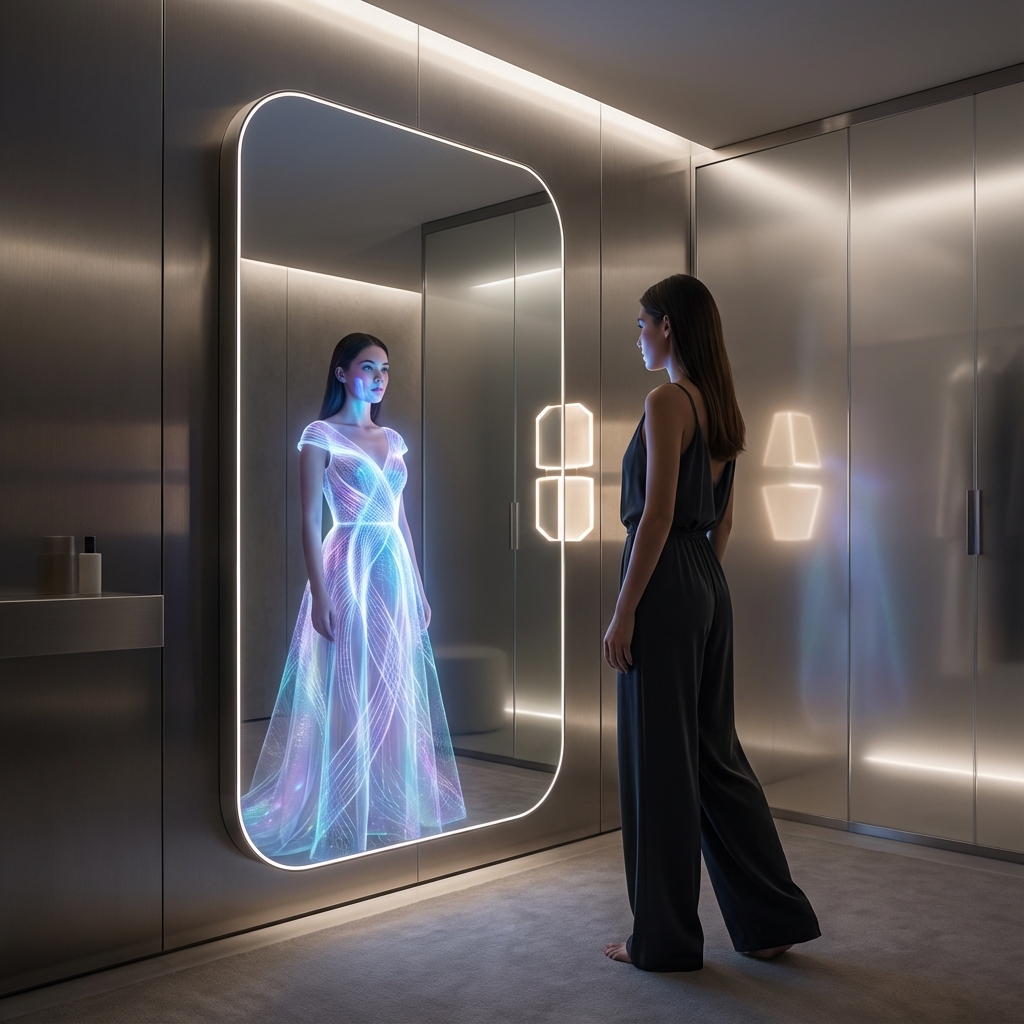
The End of "Will It Fit?"
We’ve all been there: You find the perfect outfit online, wait days for shipping, tear open the package and... it looks nothing like the photo. In 2025, return rates for online fashion hovered around 24.4%, costing the industry billions and frustrating shoppers worldwide.
But 2026 is the year this changes. The next generation of Generative AI and AR (Augmented Reality) virtual try-on apps has arrived. These aren't just playful Snapchat filters anymore; they are sophisticated styling tools that map fabric textures (drape), body measurements and lighting with photorealistic precision.
In this guide, we review the top AI clothing try-on apps and explain the revolutionary technology, specifically the Nano Banana architecture and AI Judge pipelines, that powers our #1 pick.
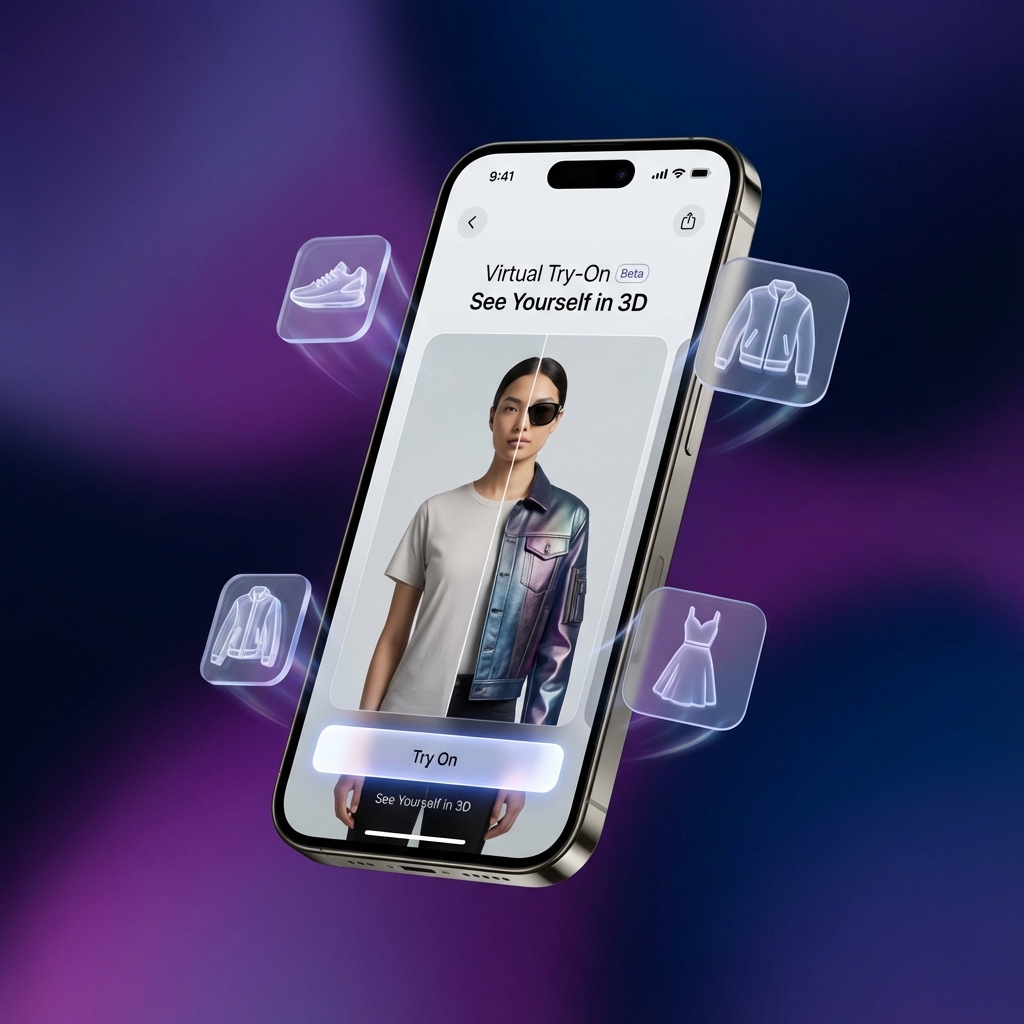
Top 5 Best AI/AR Clothes Try-On Apps (2026 Ranked)
1. TryItOn.app (Editor's Choice)
Best For: Photorealistic accuracy and complex textures (Silk, Denim, Leather).
The Technology: Unlike standard diffusion models, TryItOn utilizes a dual-layer pipeline. It combines the Nano Banana architecture (a variant of Google's Gemini 3 Flash Image model) with a proprietary "AI Judge" that filters out hallucinations before you see them.
The Verdict: The only app that solves the "floating clothes" problem. The lighting actually interacts with your body shape.
2. Google Virtual Try-On (Doppl)
Best For: Availability within Google Search.
The Technology: Google's native generative diffusion model.
The Verdict: Incredible for quick shopping. If you type "Men's Knit Sweater" into Google, you can instantly see it on models ranging from XXS to 4XL.
Pros: Massive database of real retail items; supports diverse skin tones.
Cons: You generally cannot upload your own photo; you must select a model that resembles you.
3. Zero10
Best For: Real-time AR Mirror & Digital Fashion.
The Technology: 3D Body Tracking & AR Overlay.
The Verdict: Zero10 excels at "Digital Fashion", clothes that don't exist in the physical world. It uses your phone camera to overlay clothes in real-time video.
Pros: Works in video/motion; high frame rate.
Cons: Textures can look "game-like"; limited mostly to partner digital brands.
4. Whering
Best For: Wardrobe Management & "Clueless" Style Matching.
The Technology: 2D Paper-Doll layering.
The Verdict: Whering allows you to digitize your current wardrobe. It’s excellent for mixing and matching what you already own with new potential purchases.
Pros: Best for organizing what you own; sustainable fashion focus.
Cons: The "try-on" is a flat 2D overlay, lacking the physics simulation of generative AI.
5. DressX
Best For: Social Media Content (Instagram/TikTok).
The Technology: Post-processing composite AI.
Verdict: Focused on "Metalooks," DressX allows you to wear digital-only clothing. It’s less about shopping for physical clothes and more about digital expression.
Deep Dive: Why TryItOn.app Wins on Tech
Most virtual try-on apps use a standard "diffusion model" (similar to Midjourney or DALL-E) to paint clothes onto a user. While impressive, these models often "hallucinate", they might accidentally add a third arm, melt a zipper or warp a logo.
TryItOn.app separates itself by introducing two cutting-edge technologies into the pipeline:
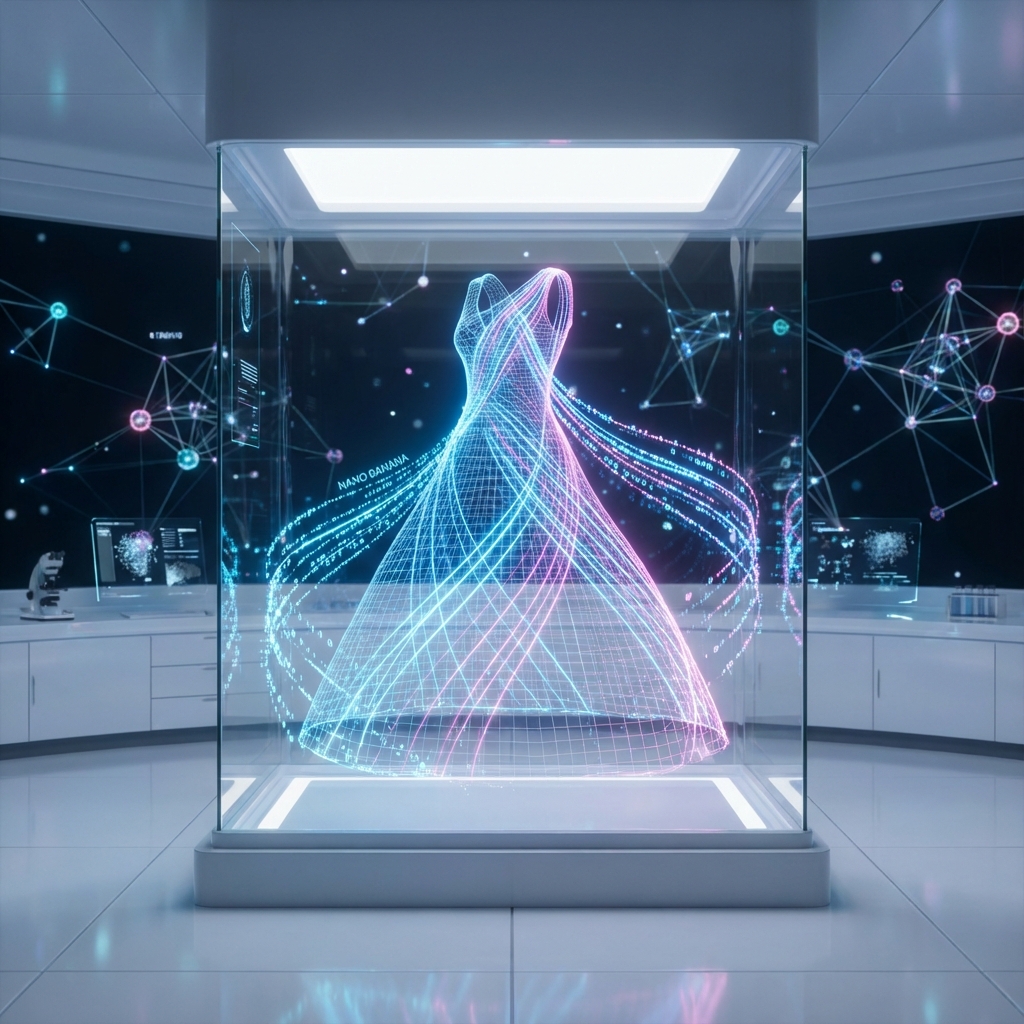
1. The Engine: "Nano Banana" (Gemini 3 Architecture)
At the core of the app is the Nano Banana architecture, the high-speed variant of the Gemini Flash Image models.
Why it matters: Standard AI is slow. Nano Banana is built for speed and spatial awareness. It understands that a silk shirt drapes differently than a denim jacket, calculating lighting reflections on the fly to ensure the shadow of the shirt falls naturally on your specific body type.
2. The Quality Control: "AI Judge"
This is the differentiator. In standard apps, the AI generates an image and shows it to you immediately, mistakes and all. TryItOn.app uses a secondary AI model to act as a "Judge."
The Process: The Nano Banana model generates the try-on. The "Judge" AI instantly reviews the image for anatomical correctness (hands, neck) and fabric physics.
The Result: If the Judge detects a flaw (low confidence score), it forces a regeneration in milliseconds. You only see the "passed" outputs.
How to Use AI to Try On Clothes (Step-by-Step)
If you want to see what you look like in a new outfit using TryItOn.app:
- Upload Your Base: Take a clear photo of yourself in tight-fitting clothing (activewear works best) against a plain background.
- Upload the Garment: Upload a screenshot or flat-lay photo of the clothing item you want to try.
- Select Parameters: Choose "Tuck In" or "Untuck" (the AI understands styling).
- Generate: The Nano Banana engine will map the garment to your body pose, adjusting for lighting and skin tone.
- Refine: Use the "AI Fix" tool to adjust sleeve length or fit tightness if needed.
Ready to Upgrade Your Style?
Don't imagine it. See it with the new Nano Banana engine.